First-Time Owners: 15-Minute Margin Check
Recompute last month's margin against the same month last year, check short-term loan costs, then choose whether to absorb or pass on price pressure.
| By | Business Basics Desk — Newsroom |
|---|---|
| Filed | 21 September 2026 |
| Read | 3 MIN |
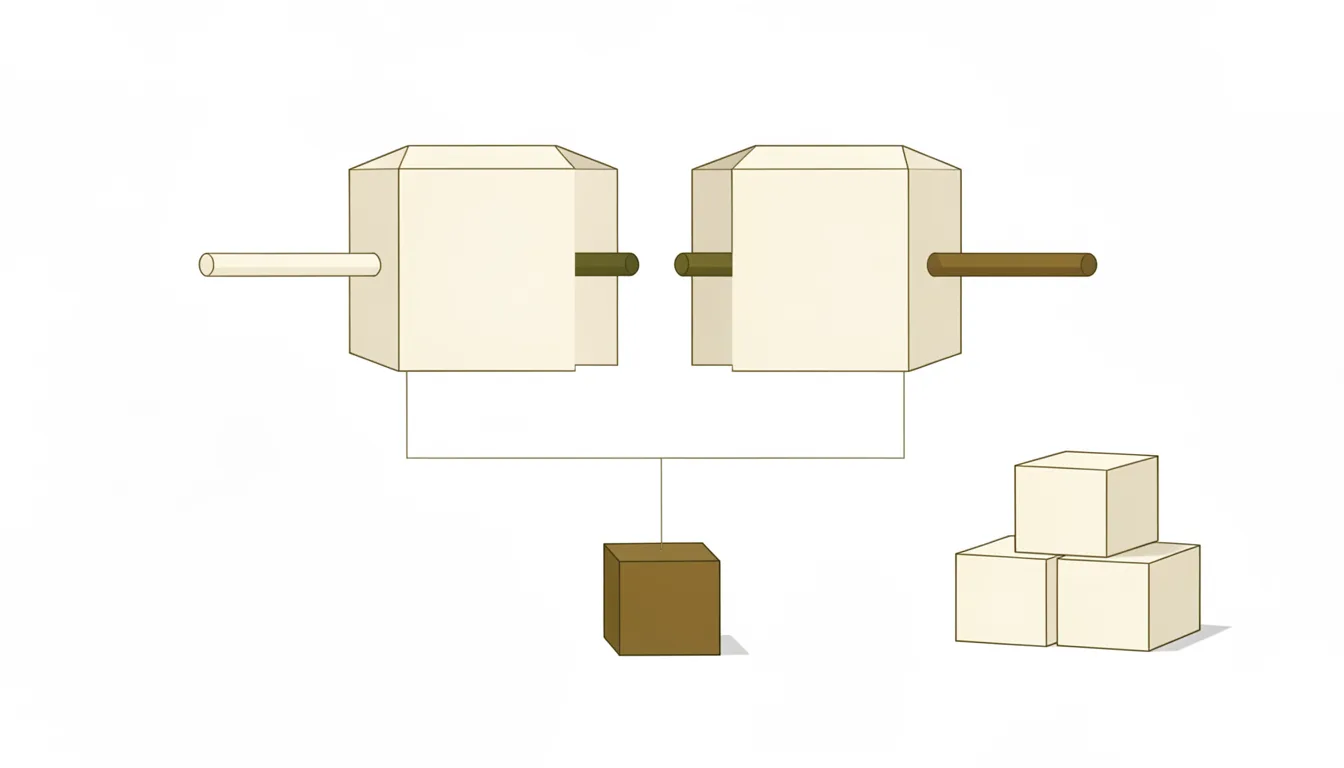
A price change is a margin decision. If you are a first-time owner, the fastest way to decide is to recompute last month's margin against the same month last year, then look at what your short-term borrowing is costing you. Do that before you raise a price, because revenue and money kept are not the same thing.
Small businesses are raising prices, but that is not a reflex. 31% of small businesses reported raising average selling prices, and about as many planned to raise prices in coming months.
Customers are not uniformly confident. U.S. consumers saw 44.4% odds that unemployment would be higher in August 2027, the highest level since April 2020.
Input costs can move fast. Brent crude futures rose 17.7% to $98.38 a barrel as sporadic fighting continued between U.S. and Iranian forces.
For a small owner, the useful move is to run a margin check that keeps revenue from getting mixed up with profit, rather than chase every headline. Revenue is the top line. Money kept is what remains after costs, taxes, and loan interest. Cash flow is the actual movement of money in and out, and margin is the share of revenue that survives those costs.
The check turns price pressure into a decision
Use the checklist as a worksheet. With messy books, do the check with the best numbers you have and mark the gaps. The point is a number you can compare next month.
- Write down last month's revenue and the same month last year's revenue.
- Subtract the costs that actually left the business in each month.
- Divide the money kept by revenue to get margin for both months.
- Compare the two margins and note the gap in percentage points.
- Find your short-term loan interest rate and compare it with a benchmark.
- If the loan rate is above the benchmark, add the extra interest cost to the margin gap.
- Choose: absorb pressure if the margin gap can cover it; pass it on if it cannot.
The loan step matters because interest is a real cost, not a future worry. The benchmark is a comparison rate for judging whether borrowing is adding to the margin gap. A short-term loan rate below the benchmark means the loan is not the main margin threat. A rate above the benchmark means the loan is already reducing the money you keep. The final choice keeps the decision deliberate instead of emotional.
Cost increases are not one number. They show up in the costs you pay to keep selling. A margin gap smaller than the cost increase will make next month thinner if you absorb the increase. A larger gap may give you room to protect a customer for a short time.
Absorb only when the margin can pay for it
Absorbing pressure means paying the cost increase yourself. It can protect a customer, but it also reduces the money you keep. Use it for temporary costs that the margin can absorb without pushing the business into a position where it cannot cover its costs. An ongoing cost turns absorbing pressure into a slow leak.
Passing on pressure means raising the price. It is easier when customers already expect prices to move. Median U.S. consumer inflation expectations were 3.6% one year ahead and 3% five years ahead, unchanged from the prior month.
Price growth is also slowing in many consumer categories. Average fast-moving consumer goods price growth was 2.6% in 2025, down from 4.1% in 2024.
Global inflation is predicted to cool from 4.2% in 2025 to 3.6% in 2026.
30% of global consumers said they were in a better financial position than a year ago, up 0.4% from July 2024.
Use those signals to size the change, not to justify a reflex. Passing on pressure works best with a clear change and a reason explained in a line. Do not make a price change permanent until you see the next month's margin. Customer pushback calls for a smaller change or a shorter trial period, then rerun the check. Keep the worksheet for the next month so you can see whether the decision held up.
This article is general information, not tax or financial advice. Consult a qualified professional about your situation.